Florida may be known for warm weather, but cooler days and nights eventually arrive. Because homeowners can go months without using their heating systems, it is easy to forget about the furnace or heat pump until the first chilly morning. A quick seasonal check can help you catch potential problems before you need dependable heat.
Bayonet Plumbing, Heating & Air Conditioning recommends preparing your heating equipment ahead of the first significant temperature drop. Use this checklist to get started.
Florida homeowners may rely on air conditioning for most of the year, but the first cold snap can quickly remind you why a dependable heating system still matters. After months without regular heating operation, you don’t want to discover a problem when temperatures have already dropped and your home feels chilly.
Preparing your furnace or heat pump ahead of cooler weather gives you time to identify problems, schedule maintenance, and make necessary repairs. Bayonet Plumbing, Heating & Air Conditioning can help make sure your system is ready before you need to depend on it.
Florida homeowners may go months without thinking about their heating systems. Then the first cool morning arrives, the thermostat gets switched to heat, and everyone expects warm air to start flowing. Before turning on your heater for the season, a few simple checks can help you identify potential problems and make sure your equipment is ready to operate safely and reliably.
At Bayonet Plumbing, Heating & Air Conditioning, we recommend preparing your furnace or heat pump before you actually need it. That way, you have time to address maintenance or repair needs instead of discovering them on a chilly morning.
Florida homeowners spend most of the year thinking about air conditioning, not heating. But when the first cool weather arrives, indoor temperatures can become surprisingly uncomfortable, especially overnight and early in the morning. That raises a common question: When should you actually turn on the heat?
There isn’t one outdoor temperature that works for every household. Your comfort preferences, home construction, insulation, and heating system all play a role. At Bayonet Plumbing, Heating & Air Conditioning, we recommend focusing on your indoor comfort while making sure your heating system is ready before you truly need it.
Some plumbing problems can comfortably wait until your plumber’s next available appointment. Others can cause significant property damage or create unsanitary conditions when they aren’t addressed promptly. Knowing which situation you’re facing can help you take the right action instead of waiting while an urgent problem gets worse.
At Bayonet Plumbing, Heating & Air Conditioning, we recommend calling an emergency plumber when you cannot safely contain the problem, essential plumbing becomes unusable, or delaying repairs could lead to additional damage.
A plumbing problem can range from a minor inconvenience to a situation that threatens your home with water damage or unsanitary conditions. For Sarasota homeowners, the challenge is knowing whether you can safely wait for a regular appointment or need an emergency plumber right away.
At Bayonet Plumbing, Heating & Air Conditioning, we recommend looking at the potential consequences of waiting. If a plumbing problem is causing active damage, involves sewage, prevents you from using essential fixtures, or is rapidly worsening, emergency service is usually the right response.
Plumbing problems don’t always happen during convenient business hours. If you discover a clogged drain late at night or a leaking pipe over the weekend, you may wonder whether you need an emergency plumber or whether the problem can safely wait for a regular appointment.
At Bayonet Plumbing, Heating & Air Conditioning, we recommend considering how quickly the problem could damage your home, whether it creates a sanitation concern, and whether you can still use essential plumbing. Understanding the difference can help you respond appropriately.
A clogged sink, leaking pipe, or malfunctioning toilet can be frustrating, but not every plumbing problem requires emergency service. The challenge is knowing when it’s safe to wait for a regular appointment and when delaying repairs could lead to property damage, sanitation concerns, or loss of essential plumbing.
At Bayonet Plumbing, Heating & Air Conditioning, we recommend evaluating what is happening now and what could happen if the problem goes unresolved for several hours. These questions can help you decide when it’s time to call an emergency plumber.
Some plumbing problems give you time to schedule an appointment. Others can become much more serious within hours. When water is actively damaging your home, wastewater is backing up, or an essential part of your plumbing system stops working, waiting for repairs can make the situation worse.
Knowing which warning signs require immediate professional attention can help you protect your home and plumbing system. If you encounter any of these five problems, contact Bayonet Plumbing, Heating & Air Conditioning for emergency plumbing service.
A plumbing problem doesn’t always happen during convenient business hours. You might discover water spreading across the floor late at night, wake up to a toilet that won’t drain, or suddenly realize that several fixtures are backing up at once. When that happens, one question matters: Can the problem wait, or do you need an emergency plumber?
At Bayonet Plumbing, Heating & Air Conditioning, we recommend calling for immediate help when delaying service could cause extensive property damage, unsanitary conditions, or the loss of an essential plumbing feature. These four situations deserve prompt attention.
1. Water Is Leaking Rapidly Into Your Home
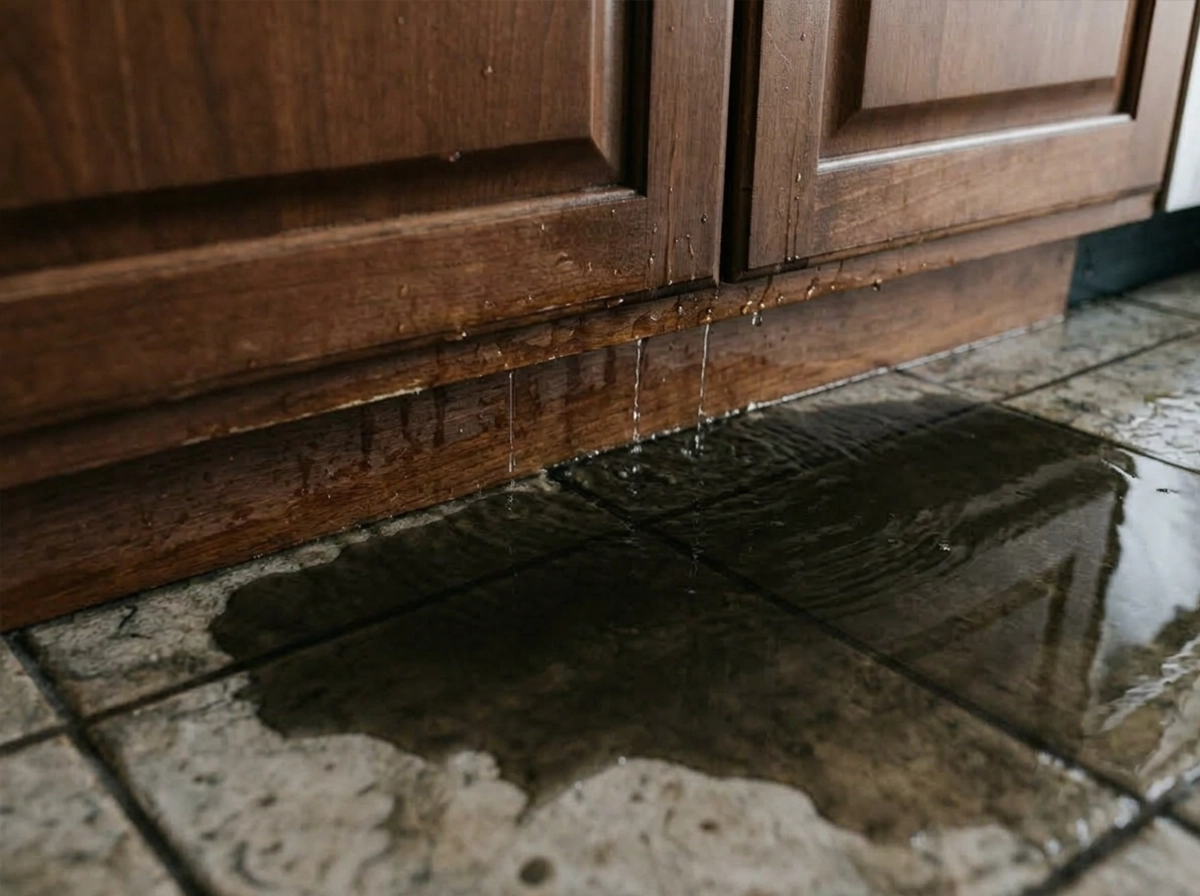
A small drip under a sink usually gives you time to schedule a standard plumbing appointment. A burst pipe, broken supply line, failed connection, or other uncontrolled leak is an emergency. Water can quickly spread into flooring, drywall, cabinets, and other areas of your home. The longer it flows, the more damage it can cause.
If you can do so safely, turn off the nearest fixture shutoff valve. For a major leak, you may need to shut off your home’s main water supply. Once you’ve stopped or reduced the water flow, contact an emergency plumber to locate the source and make the necessary repairs.
 You are viewing the Bayonet Home location.