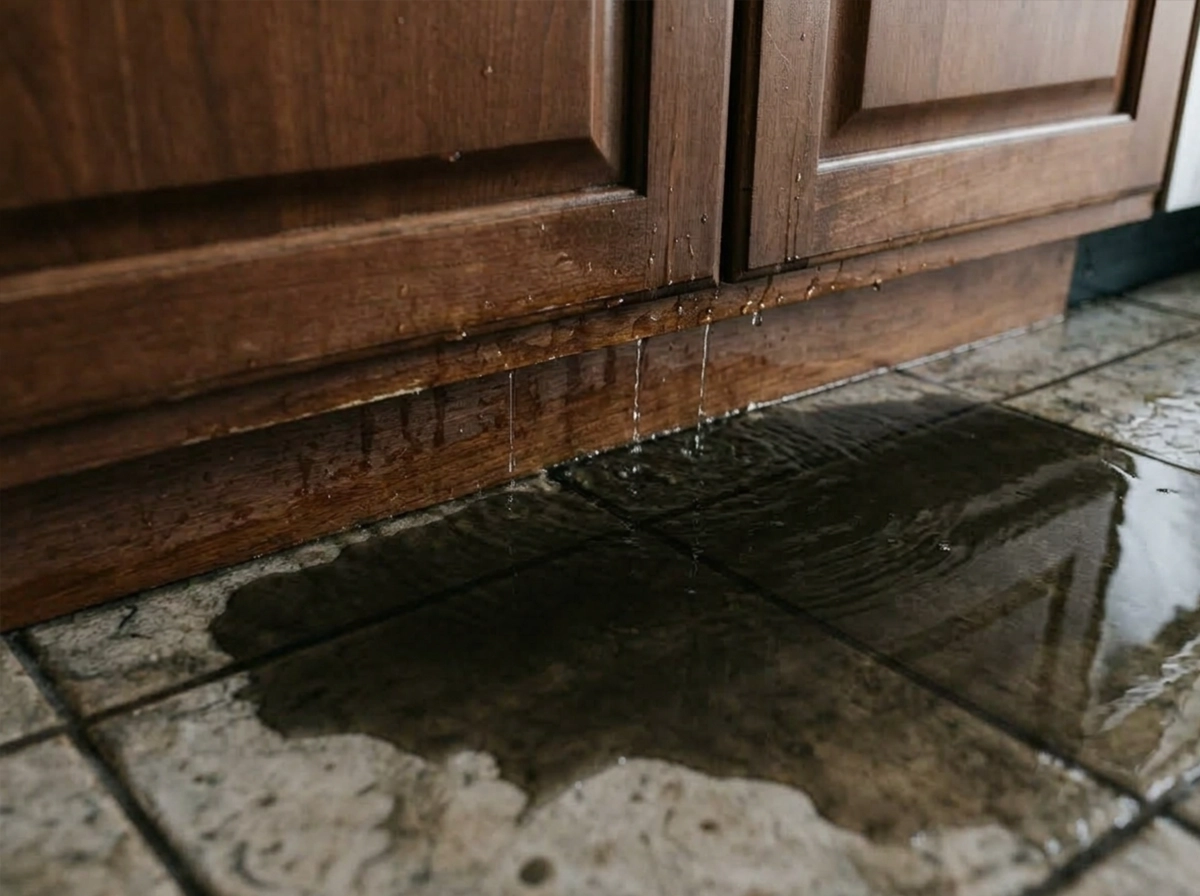
A clogged sink, leaking pipe, or malfunctioning toilet can be frustrating, but not every plumbing problem requires emergency service. The challenge is knowing when it’s safe to wait for a regular appointment and when delaying repairs could lead to property damage, sanitation concerns, or loss of essential plumbing.
At Bayonet Plumbing, Heating & Air Conditioning, we recommend evaluating what is happening now and what could happen if the problem goes unresolved for several hours. These questions can help you decide when it’s time to call an emergency plumber.
Plumbing problems don’t always happen during convenient business hours. If you discover a clogged drain late at night or a leaking pipe over the weekend, you may wonder whether you need an emergency plumber or whether the problem can safely wait for a regular appointment.
At Bayonet Plumbing, Heating & Air Conditioning, we recommend considering how quickly the problem could damage your home, whether it creates a sanitation concern, and whether you can still use essential plumbing. Understanding the difference can help you respond appropriately.
A plumbing problem can range from a minor inconvenience to a situation that threatens your home with water damage or unsanitary conditions. For Sarasota homeowners, the challenge is knowing whether you can safely wait for a regular appointment or need an emergency plumber right away.
At Bayonet Plumbing, Heating & Air Conditioning, we recommend looking at the potential consequences of waiting. If a plumbing problem is causing active damage, involves sewage, prevents you from using essential fixtures, or is rapidly worsening, emergency service is usually the right response.
Some plumbing problems can comfortably wait until your plumber’s next available appointment. Others can cause significant property damage or create unsanitary conditions when they aren’t addressed promptly. Knowing which situation you’re facing can help you take the right action instead of waiting while an urgent problem gets worse.
At Bayonet Plumbing, Heating & Air Conditioning, we recommend calling an emergency plumber when you cannot safely contain the problem, essential plumbing becomes unusable, or delaying repairs could lead to additional damage.
A dripping faucet and a burst water line are both plumbing problems, but they don’t require the same response. When something goes wrong, knowing whether you can schedule a regular appointment or need an emergency plumber can help you protect your Florida home without panicking over every minor issue.
A useful rule is to consider the consequences of waiting. If delaying repairs could result in significant water damage, exposure to wastewater, or the loss of an essential plumbing function, contact Bayonet Plumbing, Heating & Air Conditioning for emergency plumbing service.
A plumbing problem doesn’t always happen during convenient business hours. You might discover water spreading across the floor late at night, wake up to a toilet that won’t drain, or suddenly realize that several fixtures are backing up at once. When that happens, one question matters: Can the problem wait, or do you need an emergency plumber?
At Bayonet Plumbing, Heating & Air Conditioning, we recommend calling for immediate help when delaying service could cause extensive property damage, unsanitary conditions, or the loss of an essential plumbing feature. These four situations deserve prompt attention.
1. Water Is Leaking Rapidly Into Your Home
A small drip under a sink usually gives you time to schedule a standard plumbing appointment. A burst pipe, broken supply line, failed connection, or other uncontrolled leak is an emergency. Water can quickly spread into flooring, drywall, cabinets, and other areas of your home. The longer it flows, the more damage it can cause.
If you can do so safely, turn off the nearest fixture shutoff valve. For a major leak, you may need to shut off your home’s main water supply. Once you’ve stopped or reduced the water flow, contact an emergency plumber to locate the source and make the necessary repairs.
Some plumbing problems give you time to schedule an appointment. Others can become much more serious within hours. When water is actively damaging your home, wastewater is backing up, or an essential part of your plumbing system stops working, waiting for repairs can make the situation worse.
Knowing which warning signs require immediate professional attention can help you protect your home and plumbing system. If you encounter any of these five problems, contact Bayonet Plumbing, Heating & Air Conditioning for emergency plumbing service.
Some plumbing problems are inconvenient. Others can quickly damage your Tampa home, create unsanitary conditions, or leave you entirely without hot water or a working bathroom or kitchen. Knowing the difference between an inconvenience and a potential emergency can help you decide when to schedule a standard plumbing appointment and when you need a plumber right away.
At Bayonet Plumbing, Heating & Air Conditioning, we recommend treating plumbing problems as emergencies when delaying repairs could lead to significant water damage, health concerns, or worsening system damage. Here are some of the most important warning signs.
Severe weather can leave Florida homeowners with plenty to inspect once conditions are safe. While damaged trees, roofs, and outdoor structures may be easy to spot, plumbing problems can be less obvious. Heavy rainfall, flooding, debris, and saturated soil can affect pipes, drains, sewer lines, and plumbing equipment both inside and outside your home.
Knowing the warning signs of storm-related plumbing trouble can help you address problems before they cause additional damage.
After severe weather passes through Florida, homeowners have plenty to check around the house. Once you address immediate safety concerns, your plumbing system deserves attention too. Heavy rain, flooding, high winds, and saturated soil can reveal existing plumbing weaknesses or contribute to new problems.
A basic inspection can help you identify signs of trouble before they lead to water damage, sewage backups, or unexpected plumbing repairs. Here are several areas to check once conditions are safe.
 You are viewing the Bayonet Home location.