 You are viewing the Bayonet Home location.

 When you’re talking about cooling your home in as hot a climate as ours, the fact of the matter is that “good enough” is never good enough! Sure, your air conditioner may be starting up when you need it to. But is it providing you with the level of cooling quality that you deserve? If your AC is failing to cool your home evenly and effectively, then the answer is a resounding “no!”.
That is where the AC technicians on our team come in. Whatever the problem is that is leading to your uneven cooling conundrum, we’re here to help. Should the fix require AC repair in New Port Richey, then ours are the technicians that you want on the job. From the diagnosing of the problem to its complete resolution, we’ll do it right every step of the way.
 If there is one thing that you can count on doing this summer, it is running your air conditioning system with great regularity. Of course, here in Florida, our definition of “summer” is a bit looser than the calendar’s. In truth, we run our air conditioners pretty much nonstop for a good chunk of the year. And you know what? The cost of doing so can really start to add up! Don’t worry, this is not going to be a long advertisement for expensive, high-efficiency air conditioning equipment.
 As is the case with any other system in your home, problems with your plumbing system are unavoidable. There are a lot of different pipes in this system, and it is only a matter of time before something goes wrong with at least one of them. This is not to say, however, that such plumbing problems are never the result of user error. Our
  With the level of heat that we experience during the summer season in our geographic region, not running your air conditioner is simply not an option. The hard truth of this matter is that running your air conditioner also costs money. It doesn’t matter how efficient your AC. You will see its use reflected in your energy bills throughout the cooling season. While we cannot tell you how to cool your home for free, we can help you to boost energy efficiency to keep cooling costs manageable.
 All
All 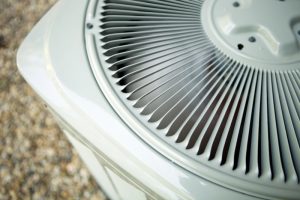 Considering how much we use our air conditioning systems in this part of the country, it really behooves homeowners to get their ACs off to a great start. Today, we’re going to be talking about how you can make your air conditioning installation a complete success. After all, even the best air conditioners are going to fail to impress if they are not handled properly right from the start.
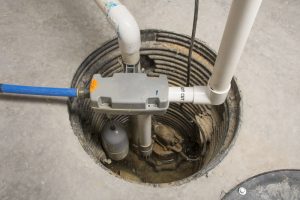 While hot weather and intense sunshine are certainly not in short supply around here, Floridians know that the weather is not always agreeable. Our location means that we sometimes have to put up with very serious storms, and in addition to high winds we also often face very heavy rainfall. Preventing that rainfall from flooding your home is a top priority.
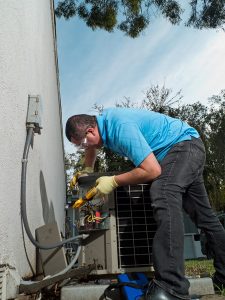 It is still early in March, and the weather during the daytime is far from the hottest that it will be during the peak of the summer season. That doesn’t mean that your air conditioner should not be on your mind, though. It is not going to be too long before you need your air conditioning system to spring into action, and you need to be certain that it is in great working condition to do so. How do you do that?
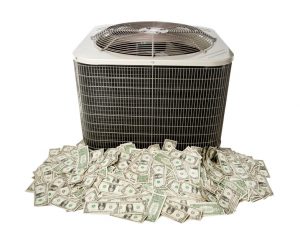 Investing in a new air conditioning system may not be the most exciting way in which to spend your hard-earned money, but it is definitely one of the most important investments that you’ll make in this part of the country. We have a lot of hot and sunny weather around here, but we also have a lot of weather that is so hot and sunny, not to mention humid, that it is simply uncomfortable.
 A garbage disposal is not the type of appliance that every home absolutely must have. It may not play quite as integral a role in your life as your water heater, for instance, does. That being said, those of us that have experienced the conveniences offered by a garbage disposal are very unlikely to go back to life without one in place. At least, we would not choose to do so intentionally.