 You are viewing the Sarasota location.

After severe weather passes through Florida, homeowners have plenty to check around the house. Once you address immediate safety concerns, your plumbing system deserves attention too. Heavy rain, flooding, high winds, and saturated soil can reveal existing plumbing weaknesses or contribute to new problems.
A basic inspection can help you identify signs of trouble before they lead to water damage, sewage backups, or unexpected plumbing repairs. Here are several areas to check once conditions are safe.
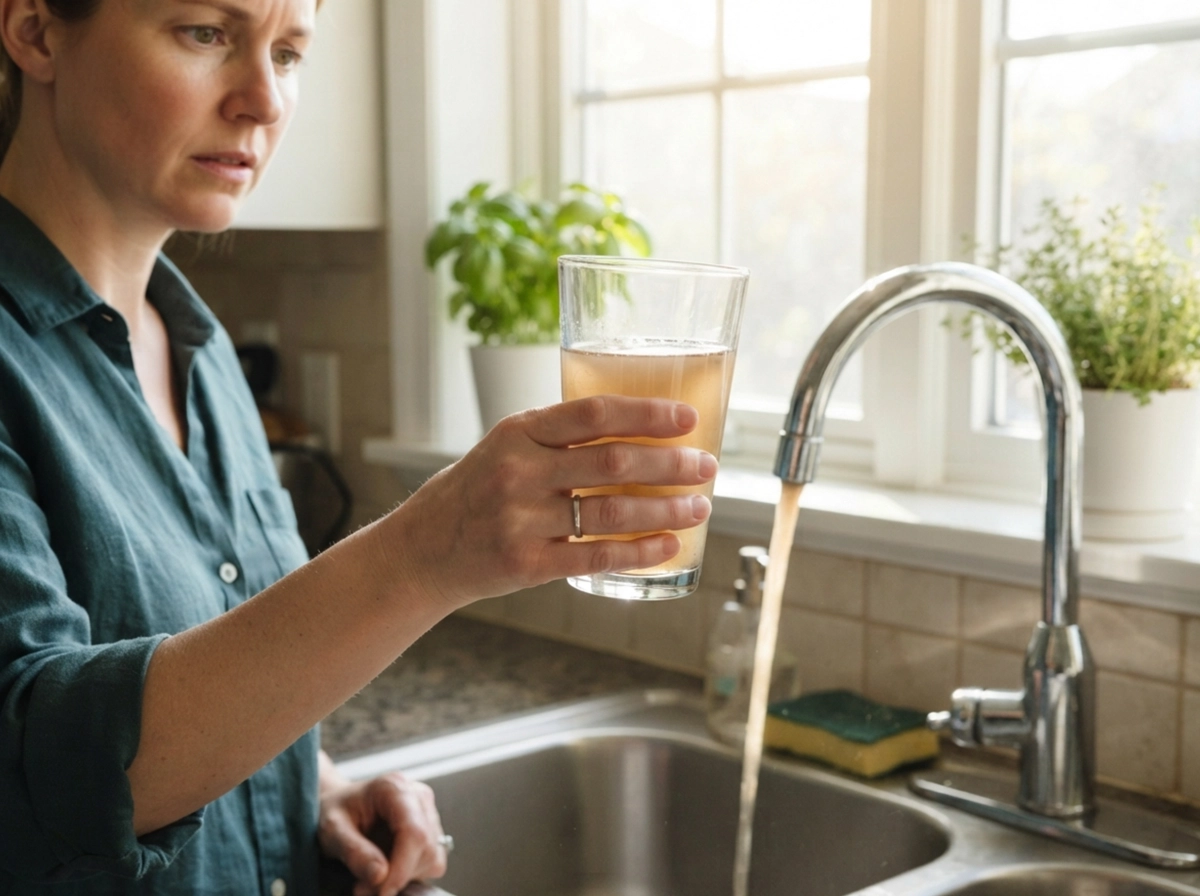
Run Your Faucets and Check the Water
Turn on faucets throughout the house and make sure the water flows normally. Watch for significant changes in water pressure, as well as unusual color or odors.
If you notice a change in water quality after severe weather, check for notices from your local water utility. Follow any boil-water or water-use advisories that are in effect rather than assuming the issue originates with your home’s plumbing.
Flush Toilets and Test the Drains
Run water through sinks, showers, and tubs, and flush each toilet. Water should drain normally without backing up into another fixture.
Listen for gurgling and watch for bubbling or unusually slow drainage. Problems affecting multiple fixtures can indicate a larger drainage or sewer line issue that should be evaluated by a professional.
Take a Closer Look at the Yard
Your yard can sometimes provide clues about what’s happening with underground plumbing. After stormwater has had time to drain, look for areas that remain unusually wet or soggy compared with the surrounding ground.
Sewage odor can also be a warning sign. If you notice these changes along with problems inside your home, such as slow drains or backups, contact a plumber.
Inspect Outdoor Faucets and Connections
Outdoor plumbing can be particularly vulnerable to storm debris. Check hose bibs, exposed pipes, irrigation connections, and other visible plumbing components for cracks, movement, or leaking water.
If your home has a swimming pool, visually inspect accessible pool plumbing and equipment as well. Don’t approach or operate electrical equipment that appears damaged or has been exposed to floodwater.
Check Your Water Meter for Hidden Water Loss
A water meter can help uncover a leak that isn’t visible during your inspection. Turn off faucets, appliances, irrigation, and other water-using equipment, then check the meter.
If it continues to show water usage, you may have a hidden leak. A plumber can perform further testing to locate the problem without unnecessarily opening walls or digging around your property.
Treat Flood-Exposed Equipment Carefully
If your water heater or other plumbing-related equipment was exposed to floodwater, don’t simply restart it after the water recedes. Electrical and gas components can be affected even when there isn’t obvious damage from the outside. Have a qualified plumber evaluate affected equipment before returning it to service.
Schedule Plumbing Service if Something Seems Wrong
You don’t need to diagnose the problem yourself. After a storm, your job is simply to notice whether something has changed. Our experienced plumbers can determine what’s happening, recommend the appropriate solution, and help restore dependable plumbing throughout your home.
Don’t Sweat: Call Bayonet! Contact Bayonet Plumbing, Heating & Air Conditioning for after storm plumbing services in North Port, FL today!