 You are viewing the Jacksonville location.

After severe weather moves through Florida, cleanup often starts with clearing debris, checking the roof, and looking for visible damage around the property. But your plumbing system should also be part of your post-storm inspection. Heavy rain, saturated soil, flooding, and debris can contribute to plumbing problems that may not be immediately noticeable.
Taking ten minutes to check your plumbing can help you catch developing issues and determine when it is time to call our team.
Look Around Your Home for Leaks
Start inside your home by checking underneath sinks, around toilets, near plumbing fixtures, and anywhere you have exposed pipes. Look for standing water, dampness, staining, or other moisture that wasn’t present before the storm.
Some leaks occur behind walls or in other concealed areas. Unexplained damp spots, musty odors, or the sound of running water when fixtures are turned off can indicate a hidden plumbing problem.
Make Sure Your Drains Are Working Normally
Pay attention to how quickly water drains from sinks, showers, and tubs. Flush your toilets and listen for unusual gurgling or bubbling.
One slow drain may indicate a localized clog, but problems throughout the home can signal a larger drainage or sewer line issue. If several fixtures begin draining slowly after heavy rainfall, schedule a professional inspection rather than waiting for a complete backup.
Pay Attention to Changes in Water Pressure
Storm-related plumbing trouble isn’t always as obvious as a leak. Turn on your faucets and notice whether the water pressure seems different than it did before the storm.
A sudden drop in pressure throughout the house may indicate a leak or another water supply problem. If the change continues, our plumbers can help identify the cause.
Inspect Outdoor Faucets and Plumbing Equipment
Your outdoor plumbing is more exposed to wind, falling branches, and storm debris. Once it is safe to go outside, inspect hose bibs, outdoor faucets, irrigation components, pool plumbing, and other visible equipment.
Look for cracked fixtures, leaking connections, damaged pipes, or unusually wet areas. Even a small outdoor leak can waste a significant amount of water if it goes unnoticed.
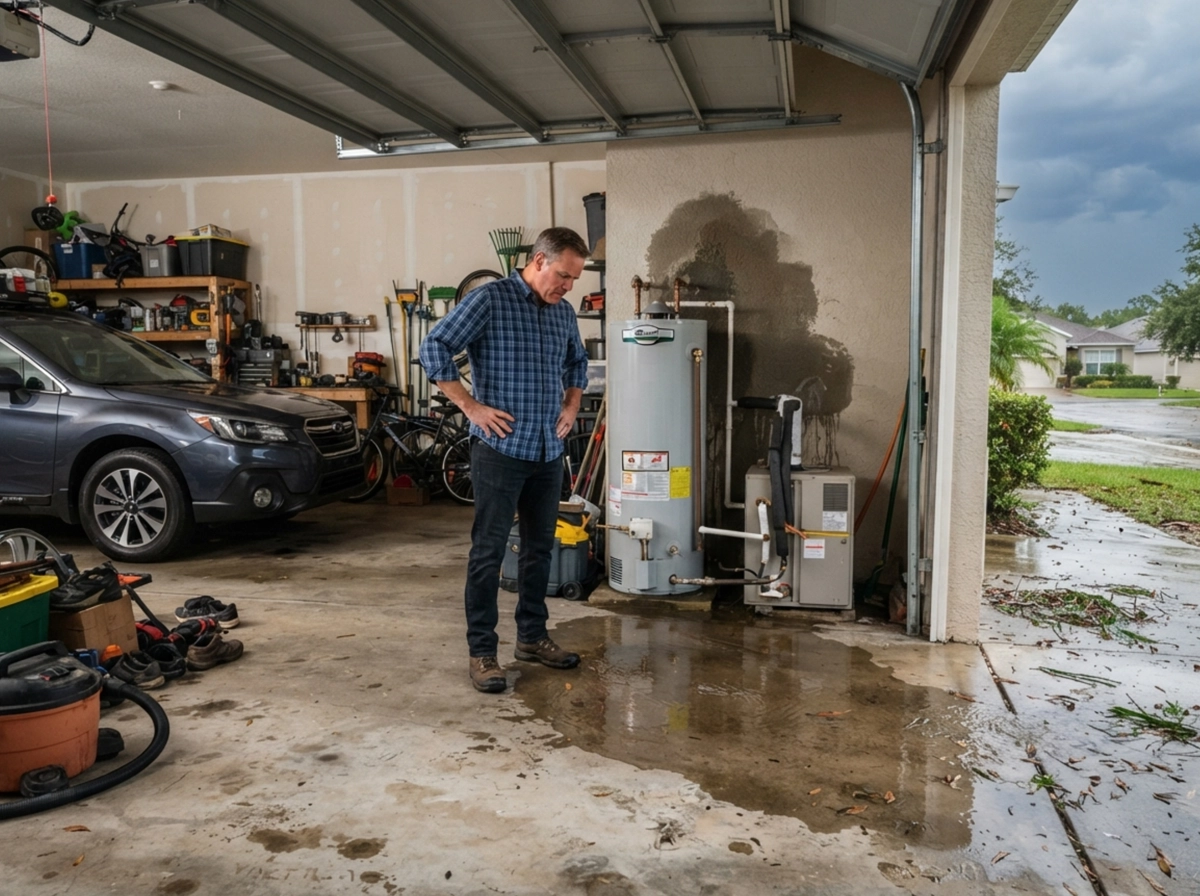
Check the Area Around Your Water Heater
Take a look at your water heater and the surrounding area. Check for standing water, new leaks, or visible signs that the equipment was exposed to flooding.
If floodwater reached your water heater or any of its electrical or gas components, don’t attempt to restart it. Have the equipment professionally inspected to determine whether it is safe to operate.
Let Bayonet Handle Plumbing Problems After the Storm
Once the weather clears, Bayonet Plumbing, Heating & Air Conditioning can help make sure your plumbing system hasn’t been left with hidden problems. If you discover a leak, backed-up drain, sewer line concern, water heater issue, or other plumbing trouble during your cleanup, schedule professional plumbing service with Bayonet. We’ll find the source of the problem and help get your plumbing working properly again.
It’s No Sweat: Call Bayonet! Contact Bayonet Plumbing, Heating & Air Conditioning for after-storm plumbing services in Jacksonville, FL today!